
Papermaking Polyacrylamide Wet-End Notes
Practical guides for papermaking PAM selection, retention, drainage, addition points, charge demand, dry strength, troubleshooting and RFQs.
- FURNISH
- actual stock
- ADDITION
- defined sequence
- EVIDENCE
- measured sheet
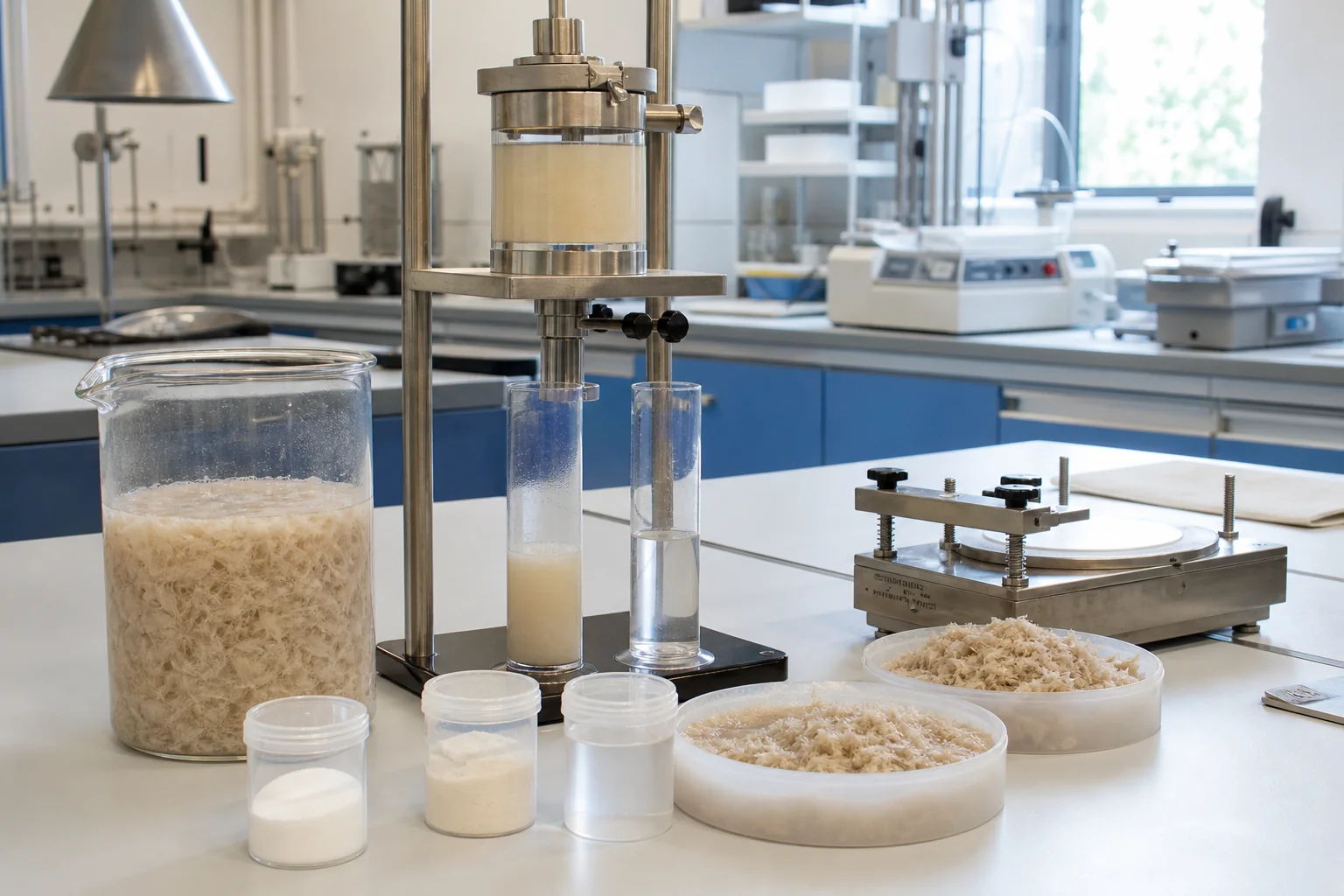
Move from furnish conditions to a testable polymer decision.
Each sheet addresses one product, machine, verification or purchasing task.
How to Select Papermaking Polyacrylamide
Choose papermaking PAM by retention, drainage or dry-strength duty, furnish charge, shear, paper quality and machine trial evidence.
Open process file →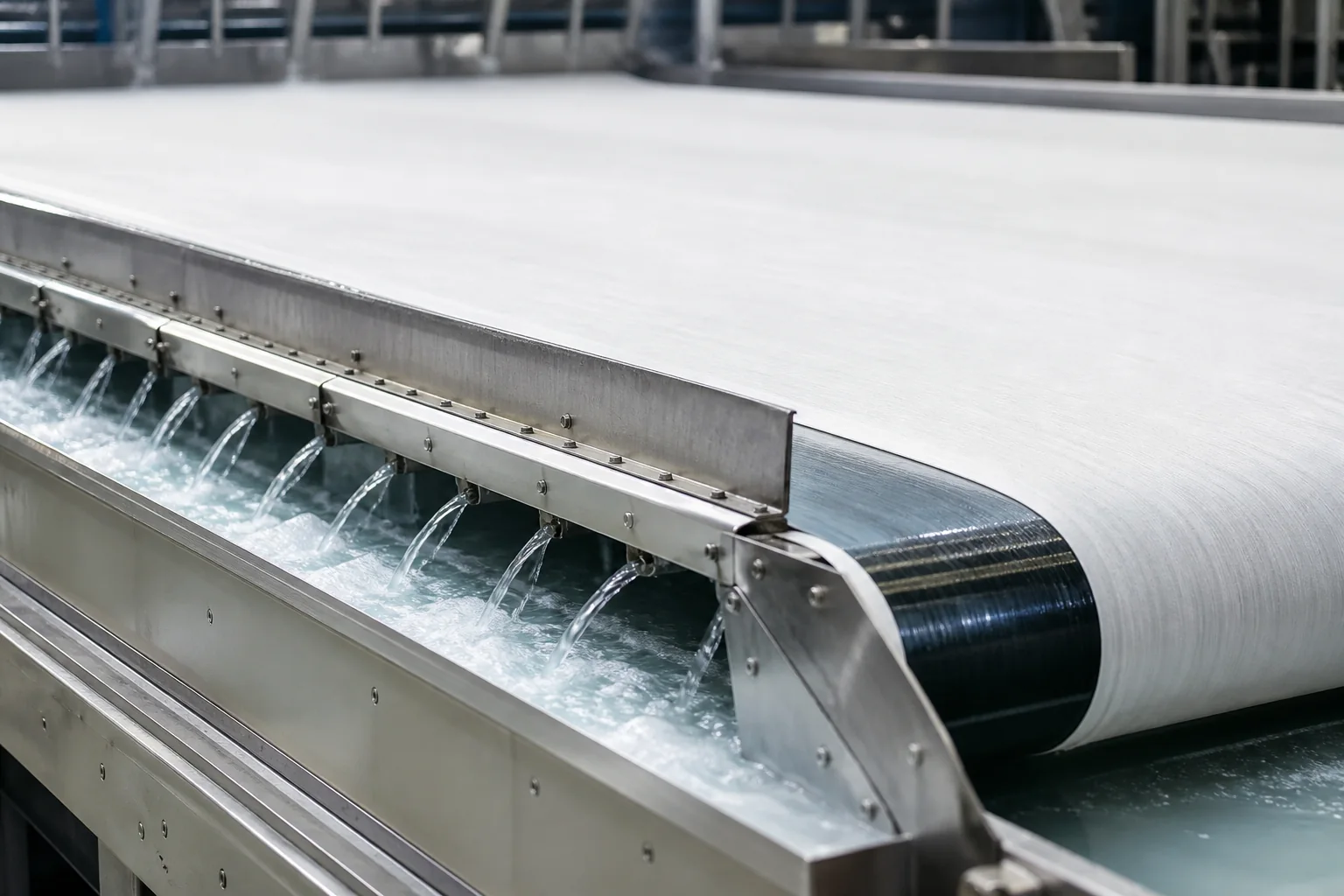
CPAM Retention, Drainage and Formation Balance
Balance CPAM fines and filler retention with drainage, formation, sheet strength, white-water quality and paper-machine runnability.
Open process file →How to Test a Dual Polymer Retention System
Test CPAM, APAM and microparticle paper retention systems with realistic sequence, delay, shear, filler retention, drainage and formation.
Open process file →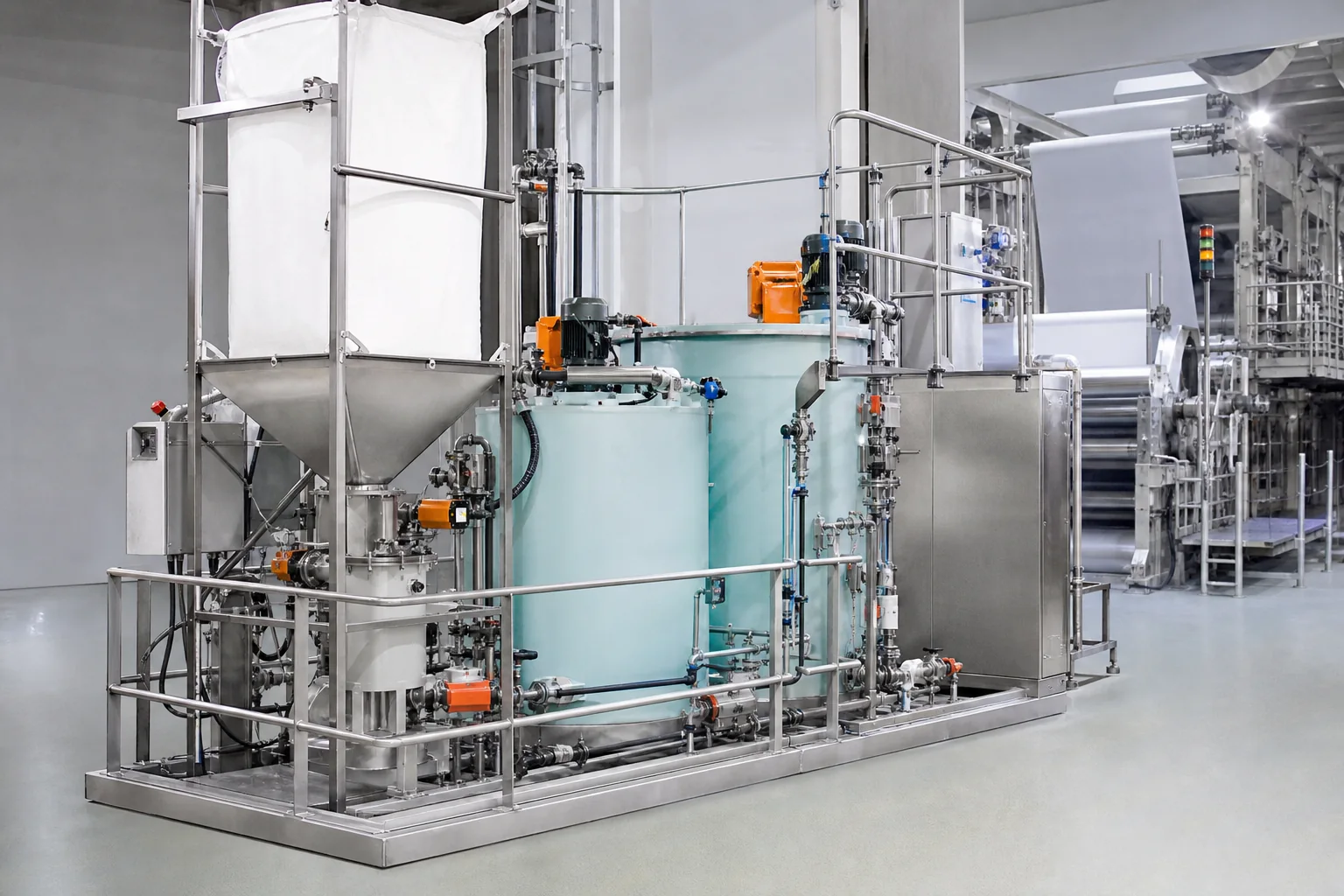
Best PAM Addition Point on a Paper Machine
Choose a paper-machine PAM addition point by stock consistency, mixing, contact time, shear, other additives, retention and formation evidence.
Open process file →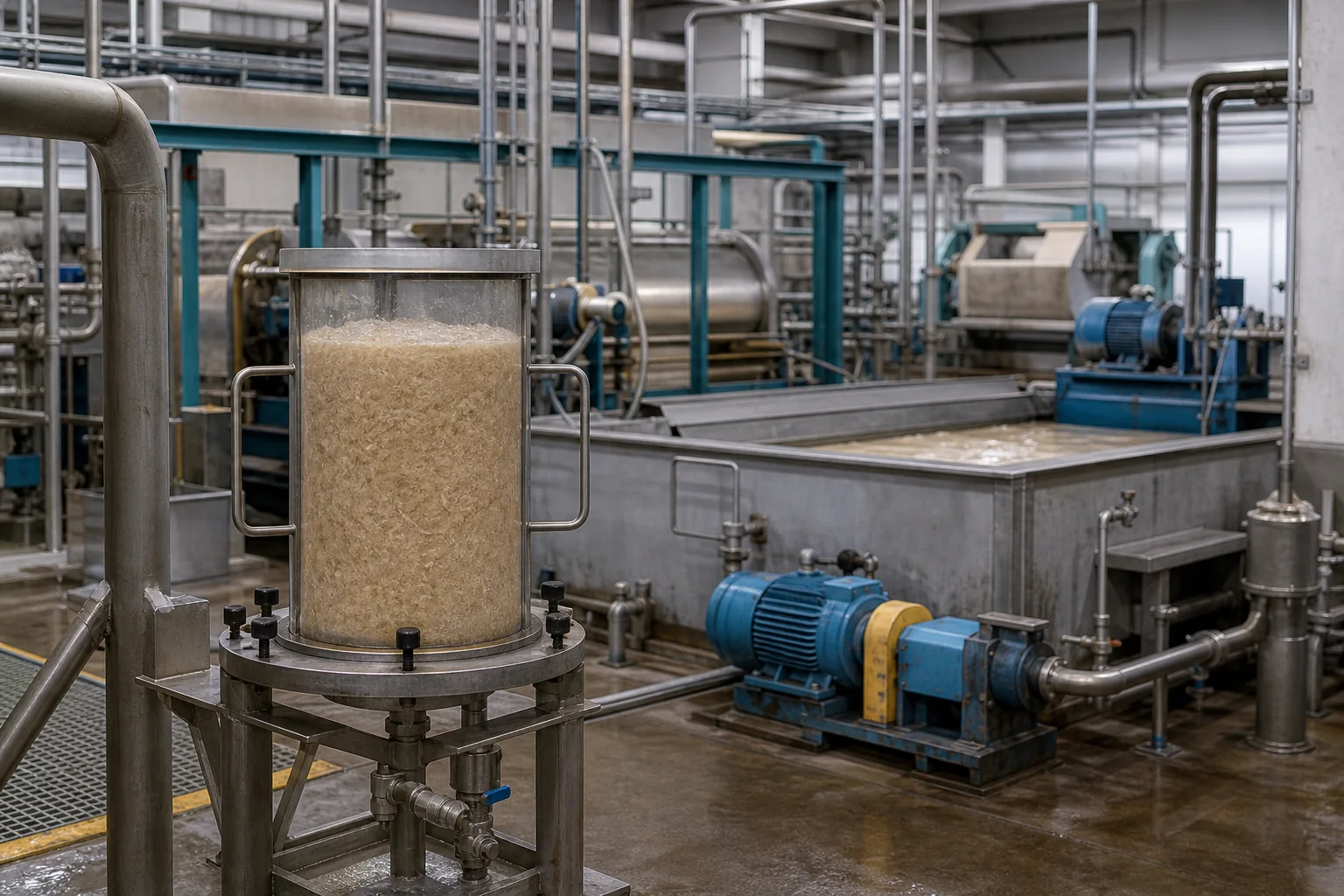
Wet-End Charge Demand and PAM Performance
Use conductivity, cationic demand, furnish solids and white-water trends to diagnose unstable papermaking PAM retention and drainage.
Open process file →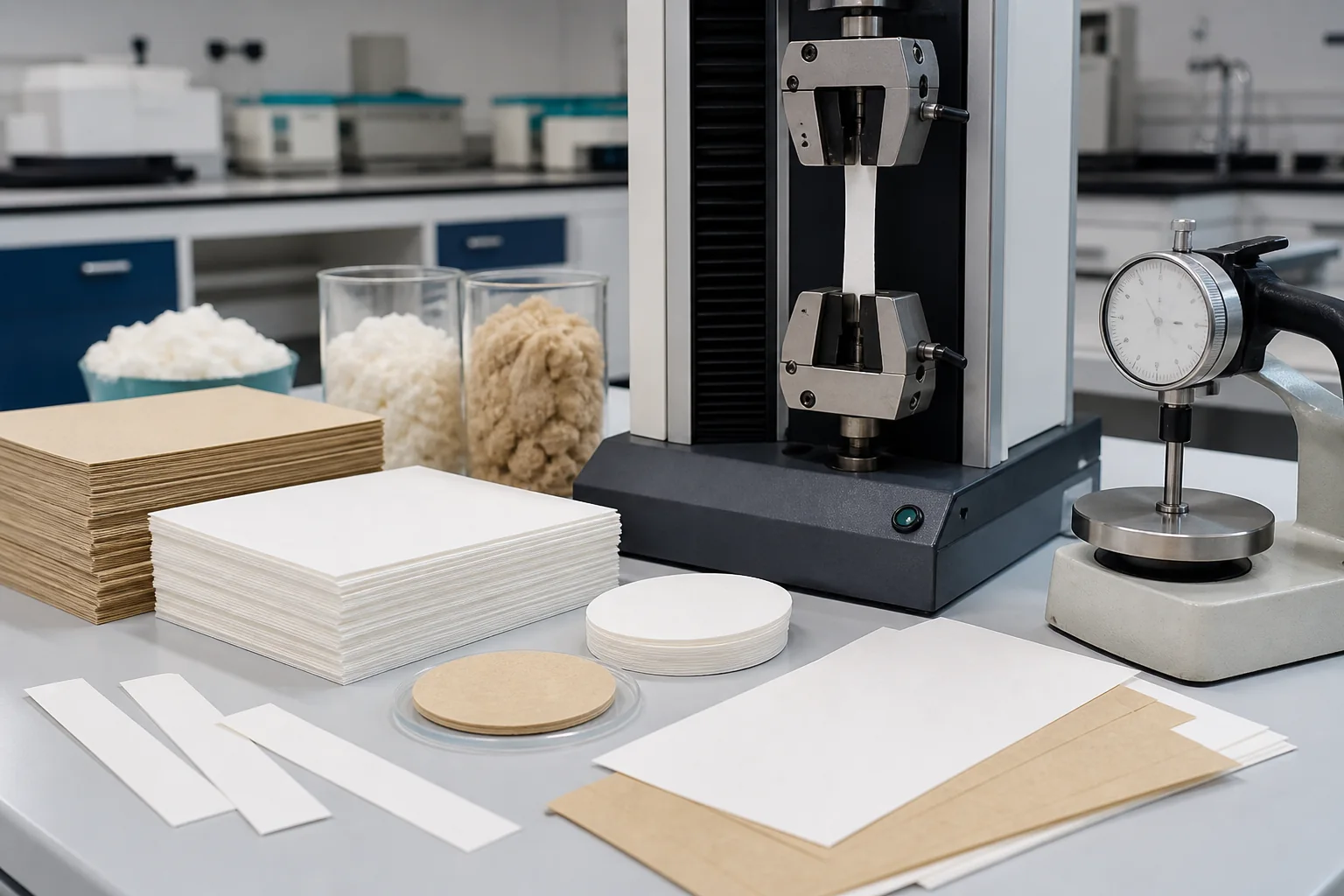
Polyacrylamide Dry Strength Test for Paper
Run furnish-specific handsheet and paper tests for PAM dry-strength agents using controlled addition, sheet making, conditioning and statistics.
Open process file →Paper Machine PAM Troubleshooting Guide
Diagnose papermaking PAM retention, drainage and formation changes through furnish, make-down, addition, shear and white-water evidence.
Open process file →
Papermaking Polyacrylamide Supplier RFQ Checklist
Prepare a papermaking PAM RFQ with furnish, wet-end chemistry, application, test methods, addition, packaging, quantity and destination.
Open process file →